Bloody Beginnings
In the months before the fighting began, Allied strategists had devised a joint offensive along the Somme, with French forces slated to spearhead the effort. But those plans were upended when significant portions of the French army had to be redirected to the Battle of Verdun just before the campaign launched, thrusting the British into the primary combat role. When the Somme offensive kicked off on July 1, it produced the single bloodiest day ever recorded for the British Army — and indeed for any army in the world.
Of the three million soldiers who took part in the battle, a staggering one million ended up killed or wounded.
The Battle's End and Legacy
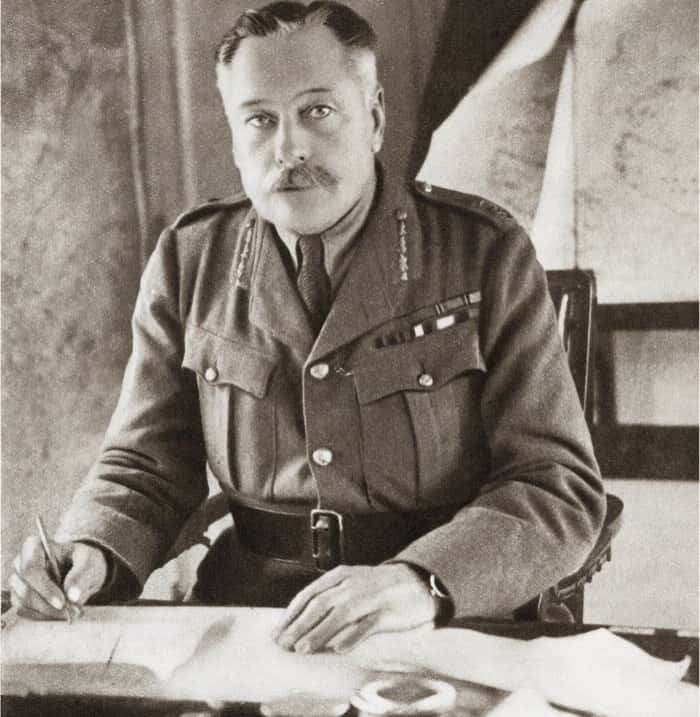
After more than four months of relentless combat, Douglas Haig finally pulled the plug on the offensive on November 18, 1916. When the dust settled, Allied forces had pushed 6 miles further into German-held territory — the most significant advance since 1914 — yet the campaign's core objectives remained unachieved.
Péronne and Bapaume were still firmly in German hands, and the 620,000 casualties suffered on the Allied side dealt a devastating blow to morale. Even so, many back home continued to view Haig favorably. King George V personally penned a handwritten note to him and elevated him to the rank of field marshal.
Following Haig's death in 1928, though, scrutiny of his battlefield decisions grew increasingly severe, and critics began referring to him as "The Butcher of the Somme." The battle and the man who directed it remain deeply controversial to this day. Historians still argue over whether the campaign was truly necessary and what lasting impact it ultimately had on the trajectory of the war.