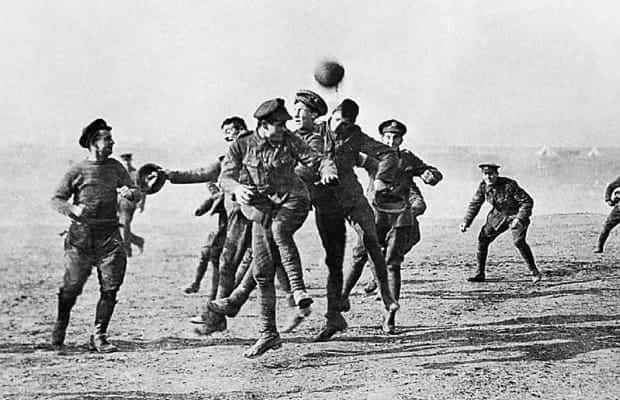
Among the most remarkable episodes of World War I, the Christmas Truce stands out — a collection of spontaneous, unofficial ceasefires that broke out along the Western Front on December 25, 1914.
As Christmas Eve gave way to Christmas Day in 1914, something extraordinary unfolded in the trenches of Belgium and France. Soldiers from the British and German sides started sharing festive songs and holiday greetings across the divide. Some went even further, stepping boldly into no man's land to swap gifts and souvenirs with their enemies.
Though fleeting, this pause from the war's savage reality has grown into one of history's most powerful symbols — a testament to humanity's deep longing for peace, even when surrounded by violence. The guns roared again before December 1914 drew to a close, shattering the fragile calm. Yet the Christmas Truce never faded from collective memory, living on through poems, songs, and countless retellings.
One of the most celebrated stories from that day involves a game of football — or soccer, as some around the world call it — played right there in no man's land. The accounts describe soldiers from both armies laying down their weapons, climbing out of their trenches, and gathering together on the battlefield. What followed is said to have been a spontaneous, fleeting moment of fellowship and mutual goodwill amid the horrors of the First World War.
Still, the truce was far from universal. Along certain stretches of the Western Front, the violence never stopped, with officers fearing that any ceasefire could erode their troops' willingness to fight. In the aftermath of the Christmas Truce, commanders on both sides took deliberate steps to prevent anything like it from recurring. That said, sporadic informal pauses did still occur from time to time, giving soldiers the chance to repair their trenches and recover their fallen comrades for burial.