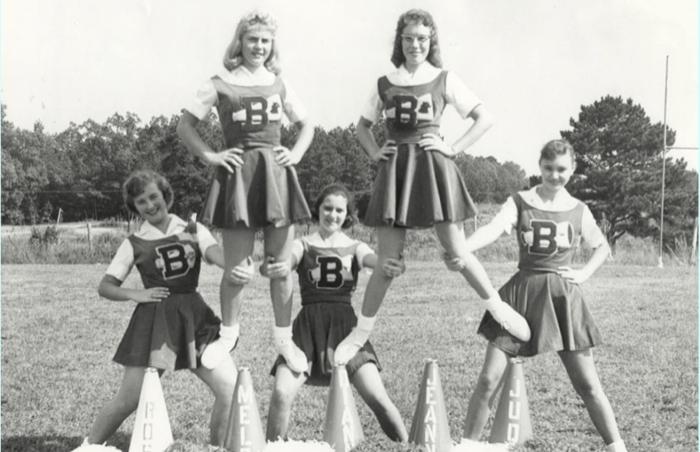
Think cheerleading doesn't qualify as a sport? You might want to reconsider that stance. Sure, standing before a roaring crowd and rallying support for your team sounds simple enough. But look closer — cheerleaders execute jaw-dropping tumbling sequences, high-flying jumps, and intricate dance routines that rival what you'd see in a gymnastics floor exercise. And if that's not convincing enough, consider the sheer physical strength and stamina required for stunting, which involves building human pyramids. It's this demanding element that helps explain why cheerleading ranks among the most injury-prone sports out there.
The First Cheer Leader
Injuries are both mitigated and anticipated in organized athletics. In nineteenth-century America, though, stepping onto a college football field practically guaranteed getting hurt. As is still the case today, thousands of spectators would pack together to watch these predominantly male contests. Thrilling action on the field naturally sparked enthusiastic cheering from the stands. That's exactly the atmosphere when Johnny Campbell, a medical student, showed up to a football game on November 2, 1898. The concept of a "cheer leader" had been slowly taking shape through school-specific chants and songs, building momentum ever since the first intercollegiate university football game in 1869. Campbell went on to serve as the University of Minnesota's cheer leader across numerous games, while teams around the country began crafting their own chants and songs under the direction of their own designated leaders. Sadly, women weren't permitted to participate as cheer leaders until 1923 — nearly a full generation after Campbell first took on the role.
Cheerleading Today
In the modern era, cheerleaders operate alongside sports teams to deliver an electrifying experience for spectators. The International Cheer Union (ICU) boasts approximately 7.5 members spread across 116 countries. While men remain part of contemporary cheerleading squads, women now play a dominant role in both organizing and competing in cheerleading competitions where a group of judges. This elite level of competition fuels professional cheerleading squads capable of performing breathtaking stunts. Through these competitions, professional squads continue to cement their value in driving fan support at college and professional sporting events — carrying on a tradition that stretches back more than a century.