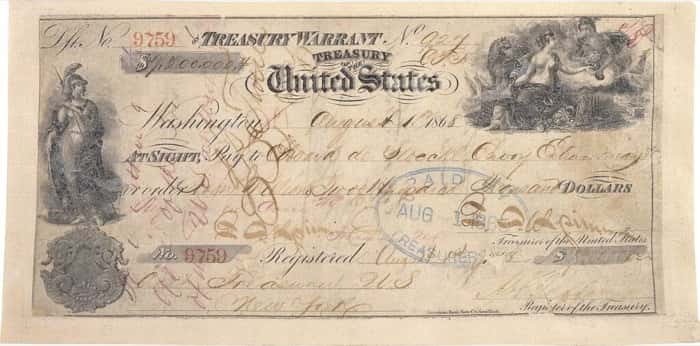
On October 18, 1867, the United States struck a deal to purchase Alaska from Russia at a price of $7.2 million. The negotiations behind this landmark agreement brought together William Seward, the US Secretary of State, and Edouard de Stoeckl, who served as the Russian Minister to the US. Together, they hammered out the treaty that formally transferred Alaska into American hands.
Beyond simply acquiring new territory, the purchase served a dual strategic purpose. It countered Great Britain's ambitions in the Pacific while simultaneously boosting the standing of the US as a major power across the Asia Pacific region.
With the Treaty for the Purchase of Alaska, Russia's long chapter of trading activity and settlement expansion along the Pacific coast of North America came to a definitive close. At the same time, the agreement threw a wrench into Great Britain's organization in the region.
Going back to the early 1800s, American interests had been vying with Russian explorers and traders over Alaska — a territory that boasted abundant natural resources and a sparse population. Russia certainly had a strong desire to maintain its foothold there, but St. Petersburg simply couldn't muster the resources needed to sustain meaningful military forces or thriving settlements along the Pacific coast. To put things in perspective, the number of permanent Russian settlers never exceeded four hundred. Making matters even worse, Russia's defeat in the Crimean War sapped whatever remaining enthusiasm existed for holding onto Alaska as a territory.