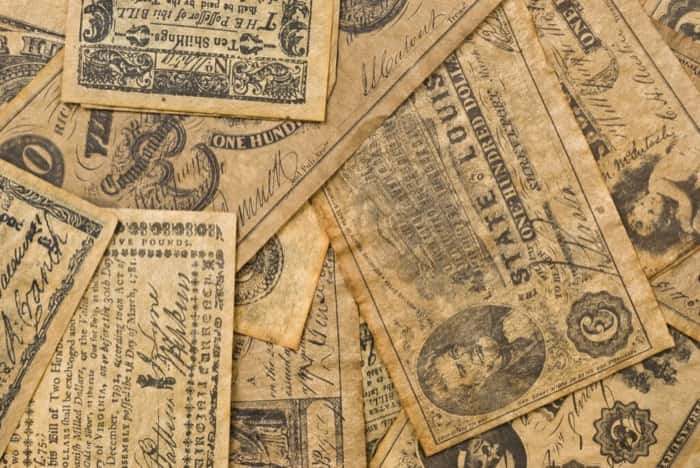
On February 25, 1862, a pivotal chapter in the story of American finance unfolded when Congress enacted legislation establishing the United States Bureau of Engraving and Printing (BEP). The newly formed agency bore responsibility for producing the country's paper currency—notes that would come to be recognized as "United States Notes."
A Revolutionary Move
What made this step so groundbreaking was its fundamental transformation of how the nation approached monetary policy. Rather than leaving paper currency in the hands of private banks, the federal government could now issue money supported by its own resources. Before this change, state-chartered banks printed their own notes, and the value of that paper could swing dramatically depending on market pressures or bad debts. By bringing the process under one roof, the government introduced much-needed stability into circulation, bolstering the public's trust in the money they carried.
Beyond benefiting ordinary citizens, the BEP proved advantageous for the government as well. Federal borrowing became less vulnerable to unscrupulous financiers who might manipulate markets or destabilize the banking system. Tax collection grew simpler and more efficient too; businesses were no longer forced to accept unreliable "scripts" or IOUs in their dealings with governmental agencies.
Shaping Our Financial System
The ripple effects of this decision would echo through generations of American economic life. Freeing the country from its reliance on private bankers was just part of the story—Congress also gained stronger authority to regulate commerce across different states. As standardized paper currency flowed through markets and businesses alike, interstate trade surged, fueling faster growth and development throughout America.
Equally significant, the new framework introduced tighter oversight over how much money was actually printed—a power that private entities had frequently abused before its introduction. This safeguard proved especially vital during wartime or periods of economic crisis, serving as a bulwark against hyperinflation caused by the excessive issuance of currency.