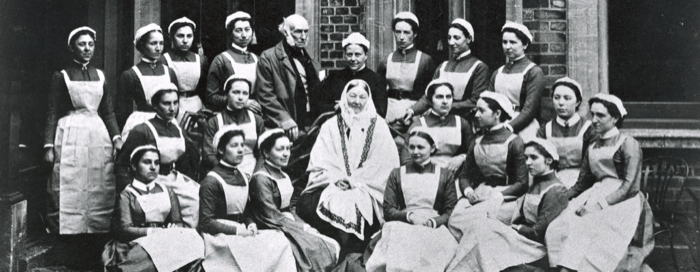
On November 4, 1854, in the midst of the Crimean war (1854-1856), Florence Nightingale set foot in Turkey. Britain had found itself locked in conflict with Russia, and the toll on soldiers was devastating — many were fatally wounded. Determined to make a difference, Florence had departed England with a team of 38 nurses, all committed to saving the lives of those fighting on the front lines. What greeted them at the army base hospital at Scutari in Constantinople was deeply troubling: the facility was untidy, bandages and soap were insufficient, and the suffering patients lacked adequate food and medicine.
The Saddening Mess Caused By the War
Care for the soldiers was woefully inadequate, with medicine and other essentials in desperately short supply. Hygiene conditions were appalling — a breeding ground for fatal infections. The situation was so dire that ten times more patients succumbed to cholera, dysentery, typhus, and typhoid than to war injuries.
When Nightingale inspected the army base, she couldn't find any clean linen anywhere. Soldiers wore clothing swarming with fleas, bugs, and lice, while filth covered the walls and ceiling. Rats could be seen scurrying through the rooms so frequently that rarely could an hour pass without someone spotting them. Basic necessities like basins, towels, and soap were completely absent from the rooms. For an estimated 2000 soldiers, there were only 14 baths available. It's no surprise that this hospital at Scutari in Constantinople became remembered for recording many death cases during the Crimean war.
Charitable Acts of Florence Nightingale
Taking matters into her own hands, Nightingale purchased 200 Turkish towels and supplied soldiers with clean shirts, soap, and everyday essentials such as knives, plates, glasses, cups, and forks. Through careful observation, she came to understand that drains, diet, and dirt were the cause of havoc — prompting her to arrange for food to be brought from England. She threw herself into cleaning the kitchen and organized her fellow nurses to scrub down the hospital wards. The British government also stepped in, dispatching a sanitary commission to flush out the sewer and improve the area's ventilation.
Not everyone welcomed her efforts, however. Nightingale found herself in conflict with soldiers who labeled her incompetent, viewing her as a nuisance and unfeminine. Undeterred, she worked tirelessly to care for patients, making her rounds at night when other medical officers were off duty. This unwavering resilience earned her the beloved nickname "the Lady with the Lamp." The London Times went further, calling Florence Nightingale "the ministering angel."
Recognition and Awards
Back in Britain, Florence Nightingale became widely celebrated, with her deeds impressing even the British queen. Thanks to Nightingale's tireless efforts, the field of public health gained national attention. She distinguished herself as the first person in Europe to acquire the principles of the new science of statistics, applying them first in the military and later on in the civil hospitals. In 1907, she made history once again by becoming the first woman to be awarded the Order of Merit. To this day, Florence Nightingale is best recognized for her resilience, intelligence, and incredible capacity to work.