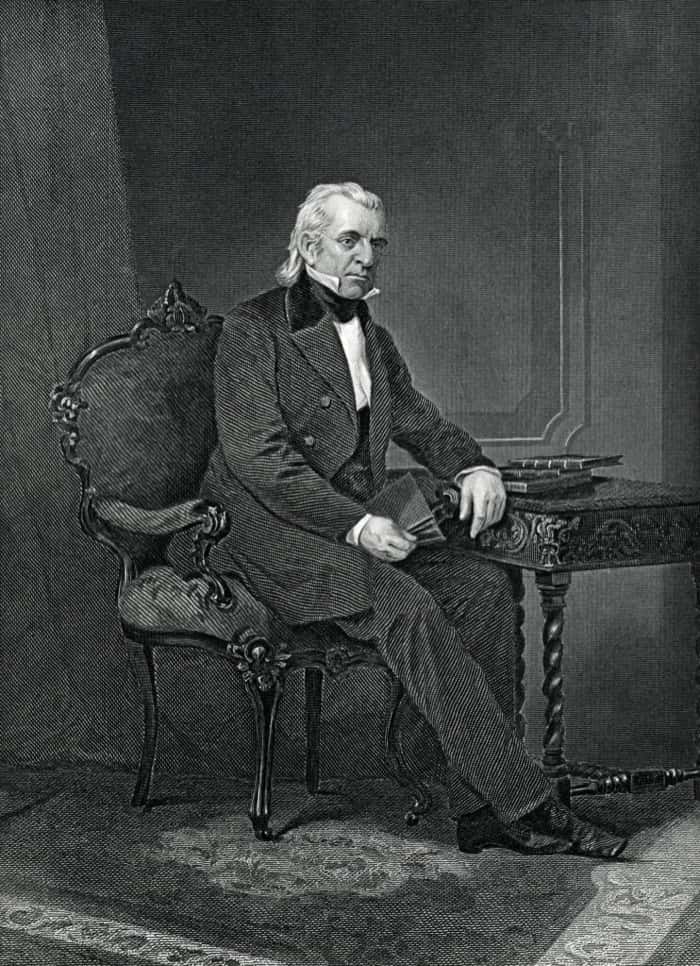
On February 14, 1849, something truly groundbreaking happened at the intersection of technology and American leadership: James K. Polk, the nation's 11th president, sat before a camera and made history as the first sitting president ever photographed. The man behind the lens? Mathew Brady, whose capture of President Polk that day produced an image that would become nothing short of iconic.
Who Was Mathew Brady?
A true trailblazer in his craft, Mathew Brady pushed the boundaries of what photography could achieve, even while working within the considerable technological constraints of the era. What many people don't realize is that he played a pivotal role in weaving camera photography into the fabric of American political life and broader culture. His reputation looms largest, perhaps, for his extraordinary documentation of the Civil War, as well as his striking portraits of towering political figures like Abraham Lincoln and Jefferson Davis.
Capturing History
Brady's relationship with the White House took shape when President Polk extended a special invitation to him in 1849, commissioning a photograph intended for use in official documents and publications. This single image represented a watershed moment—one of the very first instances in which photography was employed to document and preserve a piece of history as it unfolded.
That tradition has never faded. Every president since has turned to photography as a way of documenting their time in office, whether immortalizing landmark events or offering the public a more personal glimpse into life behind closed doors, at home or overseas. And as technology has marched steadily forward through the decades, our capacity to preserve these irreplaceable snapshots of time has only grown richer.
Lasting Legacy
Marking the significance of this historic occasion, Mathew Brady's contributions live on through commemorative artwork showcasing his original portrait of President Polk, which can be viewed today at multiple locations throughout America, including The White House Visitor Center and the Smithsonian Institution's National Portrait Gallery in Washington D.C. Beyond the artwork itself, President Polk's sitting portrait stands as an enduring source of inspiration—one we still encounter in our history books—serving as a powerful reminder that while the world around us evolves, some milestones remain permanently etched in our collective memory.