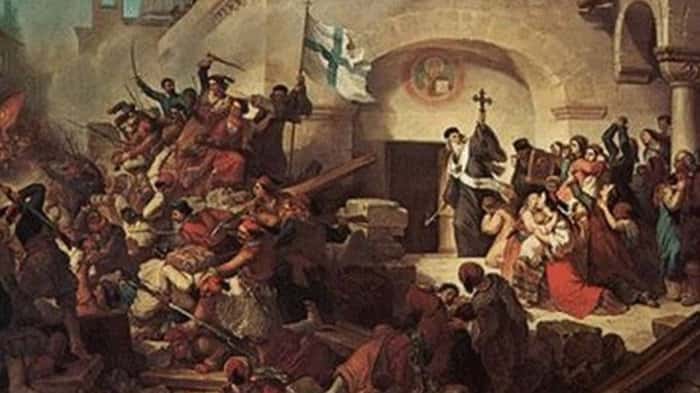
The siege of Tripolitsa during the summer of 1821 marked a pivotal early triumph for the Greeks as they fought for independence from the Ottoman Empire. Under the command of Commander-in-Chief Theodoros Kolokotronis, Greek forces waged a campaign that resulted in the city's fall — though at the cost of 100 Greek lives. The battle, however, was far more devastating for the other side: some 30,000 Turks and Jews were massacred in the process.
Tripolitsa wasn't chosen as a target by accident. The city served as the Ottoman Empire's administrative hub in the Peloponnese, making it a prize of enormous strategic value. Cut off from the ability to forage for food and supplies, the Turkish defenders found themselves overwhelmed by starvation and were ultimately forced to surrender.
The carnage inflicted upon the Turkish population was staggering. Greek Forces carried out massive atrocities, slaughtering 30,000 Turks as they seized control of Tripolitsa. A network of fortified camps had been strategically established around the city, effectively blocking the Turks from accessing food and water — a stranglehold that drove them to the brink of starvation.
The broader Greek offensive against the Ottoman Empire had already been underway for several months before this decisive moment. Tripolitsa's fall during the summer of 1821 represented one of the earliest and most significant victories in what would become the Greek war of Independence.
The revolutionary Greek Forces understood exactly what they stood to gain by targeting Tripolitsa. As the Ottomans' administrative center, the city held outsized importance — and its capture was seen as a critical step on the path toward full Independence.