Growing tensions between the United States and Great Britain came to a head over Britain's unjust practices on the seas, coupled with fierce British resistance to American ambitions of taking control of Canada. From the US perspective, Canada appeared to be a vulnerable target standing in the way of territorial growth — a goal that, as it turned out, would never be realized.
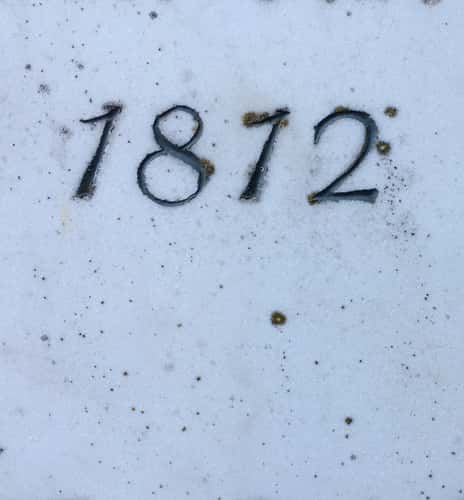
Britain stood firm in defending Canada from American expansionist efforts, and this standoff pushed President James Madison to sign a formal declaration of war against the English in 1812. Both nations sought the support of Native American tribes, building alliances across the frontier. The US counted among its partners the Choctaw, Cherokee, Creek, and Seneca tribes, while Britain secured the backing of the Shawnee, Ottawa, Ojibwe, and several additional tribes.
With its enormous, highly disciplined military force, Great Britain managed to overpower the US in engagements both on land and at sea. Even so, American forces found success in the Northwest Territory, whereas the British dominated in upper Canada. Interestingly, despite Canada being the central focus of expansionist ambitions, a great deal of the actual combat played out across southern regions, with fighting taking place in Mississippi, Florida, and Alabama.
Exhaustion eventually caught up with both the United States and Great Britain after years of prolonged warfare. The weariness was particularly acute following Britain's devastating campaign that saw the US Capitol, the President's Mansion, and other structures burned to the ground. On December 24, 1814, the two sides put pen to paper on the Treaty of Ghent, formally agreeing to cease hostilities. Because the treaty didn't officially go into effect until February 1815, however, scattered clashes between the two powers continued in the interim.