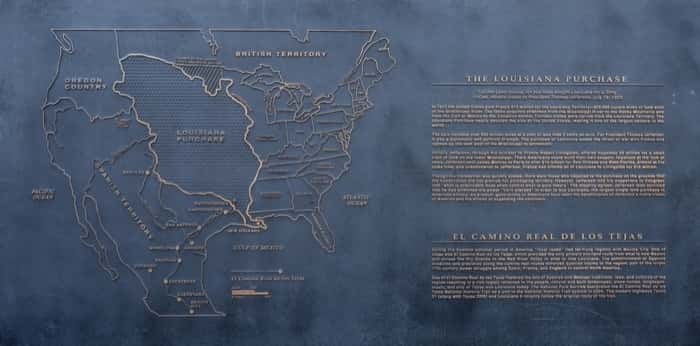
On July 4, 1803, the United States doubled in size — and it had only been 27 years since the nation first fought for its independence. Under the leadership of President Thomas Jefferson, the Louisiana Purchase brought a staggering 530 million acres into American hands. The price tag? A mere $15 million for a vast stretch of land running from the Mississippi River in the east to the Rocky Mountains in the west, and from the Canadian border in the north all the way south to the Gulf of Mexico.
The backstory behind this deal is fascinating. Napoleon Bonaparte had only recently claimed the Louisiana territory as part of France's North American holdings. But with a war against the UK on the horizon and French coffers running dangerously low, he decided to offload the land to the United States at a jaw-dropping 3 cents per acre. Despite objections from members of Congress who questioned whether the deal was even constitutional, the Louisiana Purchase Treaty was signed on April 30, 1803 by both the United States and France. Ultimately, Thomas Jefferson leaned on the treaty negotiation powers that the Constitution grants to the presidency, and the purchase was completed.
The territory had come into Napoleon's possession in 1800, when he acquired it from Spain with ambitions of building a French colony in North America. Before that transfer, the Spanish crown had permitted American traders and farmers to navigate the Mississippi River for transporting goods and to set up storage facilities in New Orleans. Once Napoleon took control of the territory — which bore the name of French King Louis XV — those privileges were revoked, and French soldiers locked down the city. This move, combined with pressure from Southern plantation owners who worried that French authorities might emancipate enslaved people and spark rebellion and conflict, pushed the United States toward the brink of war with France over the territory. Rather than let another armed struggle erupt, Thomas Jefferson reached out to a French friend and proposed buying the land outright instead of resorting to a territorial war with France.
Even though Congress wouldn't officially ratify the Louisiana Purchase until October 20, 1803, Thomas Jefferson, President of the United States, went ahead and formally announced to the American people that the Purchase had been completed and that the French government had signed the documents transferring the land.