For over ten years, Philadelphia had functioned as the de-facto capital of the fledgling United States. That era came to a close on November 17, 1800, when congress officially relocated to its permanent home in Washington D.C.
On the Move
In the early days of the republic, congress convened in no fewer than 9 cities, though Philadelphia hosted the continental congress more often than any other. It was there that the founders put their signatures on the Declaration of Independence and gave their approval to the United States Constitution. Yet during the revolutionary war, the threat of British capture forced them to shift their meetings from place to place on multiple occasions. Once the war concluded, Philadelphia resumed its role as the capital while Washington D.C. was being built — a role it maintained until congress wrapped up its session on May 14, 1800. Months later, the legislators reconvened at their now permanent location in Washington D.C.
The First Assembly
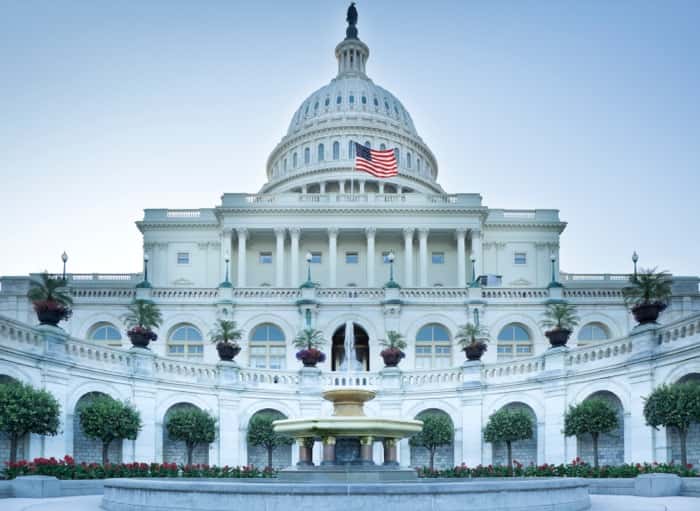
The capitol building was far from finished, but its north wing stood complete. Within that section were chambers designated for the Senate, the House of Representatives, the Library of Congress, and the Supreme Court. On November 17, 1800, congress gathered in the new building and achieved a quorum for the first time, successfully meeting the deadline established by the Residence Act of 1790. That landmark legislation had laid out provisions for constructing a national capital and establishing a permanent seat of governance for the young nation.
Work on the capitol building pressed on for more than a decade after that first assembly. Both wings reached completion not long before British forces set fire to the structure and other buildings in Washington D.C. during the War of 1812. By 1815, reconstruction was underway, bringing with it redesigned chambers built to serve a government that was steadily expanding.