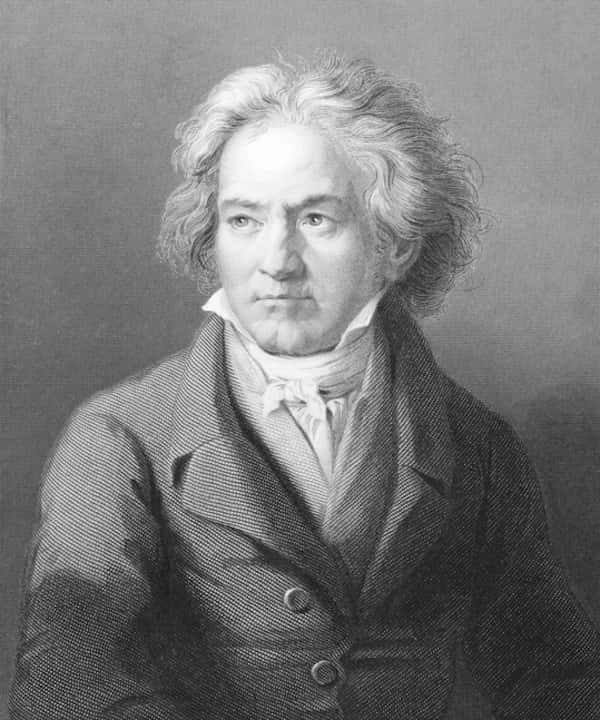
Born on March 31, 1732, in Austria, Franz Joseph Haydn would go on to shape the course of musical history in ways few could have imagined. It was sixty years later, on December 12, 1792, that he sat down to give Ludwig Van Beethoven a first lesson in music composition. At just 22 years old, Ludwig Von Beethoven likely had no idea that this single lesson would mark the beginning of an extraordinary composing career.
The timing couldn't have been more turbulent. Rumors of war were swirling out of France, and Beethoven had recently suffered the sudden loss of his father. Studying might not have been at the top of his mind given these circumstances, yet against all odds, he managed to seize the opportunity and make the most of his time learning from his old master. Below are some interesting tidbits about this legendary pair.
Fun Facts:
- Born in Bonn and baptized on December 17, 1770, Beethoven displayed obvious musical talent from a very young age.
- As an Austrian composer, Joseph Haydn played a pivotal role in shaping the classical style throughout the 18th century.
- During his youth, Haydn was a singer in a church choir and familiarized himself with a variety of musical instruments.
- In June of 1792, Haydn departed London following a triumphant period there that earned him recognition as a musical genius. During his journey, he made a stop in Bonn, where he encountered the 22-year-old Ludwig Van Beethoven.
- Haydn once declared that Beethoven would eventually come to be regarded as the greatest composer in all of Europe. On top of that, he expressed that being known as Beethoven's teacher would bring him great joy.
- Around the age of 28, Beethoven's hearing began to deteriorate, and by the time he turned 45, he had gone completely deaf. For the remainder of his life, written notes became his means of communicating with those around him.
- Even after losing his hearing entirely, he never stopped composing music.
- Following Beethoven's death in 1827, locks of his hair were taken. Scientists who later analyzed them found an unusually high level of lead in his system, which may have been a contributing factor in his hearing loss.