Ask any American elementary school student what they know about the pilgrims, and chances are good the Mayflower will come up. That tale of settlers crossing the Atlantic Ocean to land at Plymouth has woven itself into the very fabric of America's founding narrative. And woven just as tightly into that narrative is the first American Thanksgiving—an autumn celebration that honored the cooperation between the pilgrims and the local indigenous peoples.
Thanksgiving Becomes Official
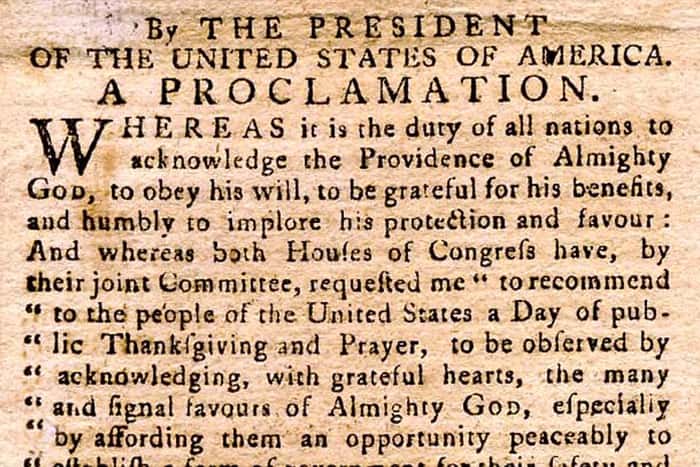
Much of what we think we know about America's first Thanksgiving has been exaggerated over time, but the chain of events that led to George Washington's Thanksgiving day proclamation is grounded in fact. By 1789, President Washington and the fledgling United States had reached a point of stability where looking ahead felt possible. With that sense of security in mind, President Washington designated November 26, 1789, as a national day of thanks.
Lincoln Adds To The Holiday
Americans embraced the tradition with enthusiasm following that 1789 proclamation, though as the country hurtled toward civil war, the actual dates people chose to celebrate varied widely by region, family, and culture. More than fifty years after Washington's Proclamation, President Lincoln stepped in and declared the last Thursday of November the national day of thanks. In doing so, President Lincoln deliberately echoed President Washington's call for American unity. Both Presidents, it turns out, understood how powerful it was to rally people around a common cause when failure loomed as a real possibility—and indeed, the 1789 proclamation is filled with language about "union" and "freedom."
Roosevelt and The Thanksgiving We Celebrate Today
From the end of the Civil War through 1941, Americans observed Thanksgiving on the last Thursday in November. That changed when President Roosevelt signed a law establishing the 4th Thursday in November as the official date. Thanksgiving had technically been a federal holiday since 1880, thanks to the Holidays Act, yet the specific day for the celebration wasn't locked in until more than a century later.
So why did President Washington and Congress settle on the 4th Thursday of the month? The consensus was that this timing gave Americans a comfortable window to get ready for Christmas. And it appears President Roosevelt recognized the bonus of squeezing in an extra week of shopping—along with the ever-popular Black Friday.