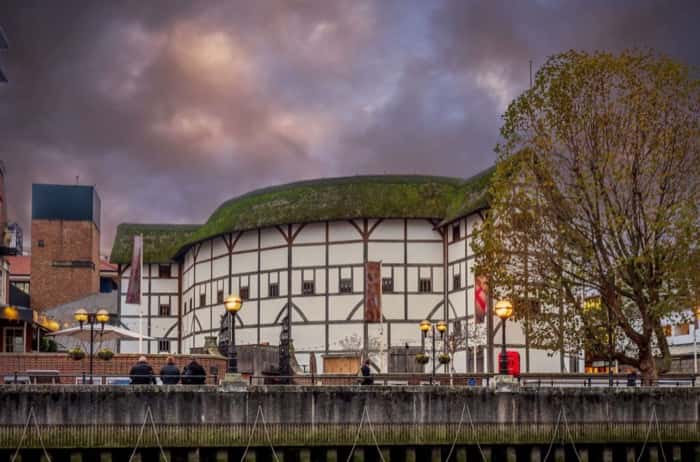
During the Renaissance period in England, theatre stood as one of the most beloved forms of public entertainment. Admission cost just a few pennies, which meant companies running these venues constantly competed to dazzle audiences with ever more spectacular special effects. That competitive spirit came back to haunt Shakespeare's Globe Theatre in London, England, on June 29, 1613, when a special effect gone wrong ignited a catastrophic blaze.
The Globe's origins trace back to an earlier building known simply as The Theatre, which James Burbage constructed in 1576. What made The Theatre remarkable was its distinction as the first permanent theatrical venue erected in England since the days of Roman occupation. Burbage had entered into a 21-year lease with Giles Allen for the land beneath the structure, but once that lease ran out, Allen insisted that the building itself was rightfully his property.
Rather than accept this claim, Burbage and his son Richard hatched a bold plan. They waited for Allen to leave town for Christmas celebrations, then rallied the entire company to methodically disassemble The Theatre, beam by beam. Every piece of timber was hauled to a marshy stretch along the banks of the Thames, where the new Globe Theatre opened its doors sometime in mid to late 1599 — likely debuting with a staging of either Henry V or Julius Caesar.
Season after season, the Globe packed in enthusiastic crowds, with its technical crew pulling out all the stops to deliver impressive Elizabethan Era special effects. Among the most dramatic was firing real cannon — loaded with black powder but no shot — to simulate the thunderous sounds of battle in Henry VII. Anyone familiar with theatrical traditions will recognize this practice of using 'blank' weaponry on stage.
Of course, a cannon without shot was far from harmless. When the gunpowder exploded, it sent fiery sparks flying, and those embers landed in the theatre's thick straw thatching on the roof. From there, flames raced through the wooden walls and support beams with alarming speed. Remarkably, the only reported injury involved a man whose trousers caught fire — a crisis swiftly resolved by a quick-thinking friend who doused the flames with a bottle of ale.
Though the theatre was completely destroyed, a rebuilt Globe rose from the ashes the following year. Sadly, this second incarnation wouldn't endure much longer either. The Puritans — a staunchly conservative branch of English Christianity that viewed theatre as a wellspring of sin and decadence — managed to shut down every theater in London, the Globe included, in 1642. When King Charles II reclaimed the English throne in 1660, this well-known theatre enthusiast wasted little time reversing the laws that had darkened London's stages.
For the Globe, though, the reprieve came too late. The structure had already been demolished in 1645, its site cleared to make way for tenement housing. But there's good news for modern visitors: a meticulously researched replica of the Globe stands in London today. Completed in 1997 after years of painstaking research, it occupies a spot just a few hundred feet from where the original once stood. Chances are you've spotted it on screen — its dedication to historical accuracy has made it an irresistible filming location for Elizabethan drama!