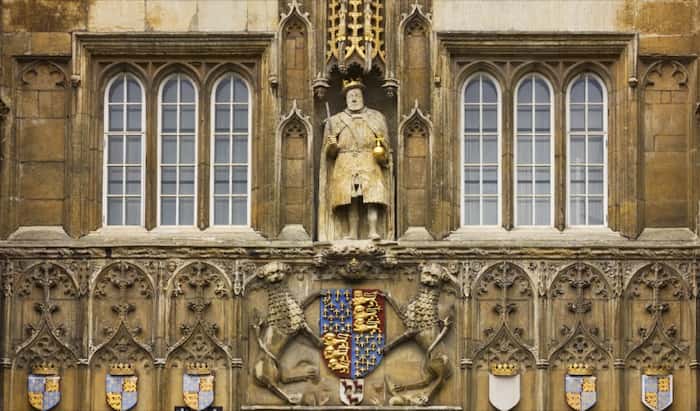
Westminster Abbey in London played host to a momentous occasion on June 24, 1509, when Henry VIII officially received the English crown.
Ascending to the throne in 1509, the young Henry was just the second member of the Tudor dynasty to serve as England's monarch, following his father, Henry VII. What many might find surprising is that Henry wasn't originally the one expected to wear the crown. Despite Henry VIII ranking among the most recognizable of all English Kings, the House of Tudor held power over England for only a little more than a century. Yet within that relatively brief span, the Tudors ushered in sweeping, revolutionary changes to English culture and society — transformations that left a lasting imprint on the western world.
The opening decade of the sixteenth century brought devastating losses to the royal family, claiming the lives of both King Henry VII and Arthur Prince of Whales, Henry's older brother and the man everyone expected to become the next King. Arthur's sudden death, coming shortly after his marriage to Catherine, thrust his younger brother Henry into the role of heir to the throne. Unlike Henry, Arthur had been carefully trained and groomed for kingship his entire life. Henry, by contrast, was a romantic at heart — a poet and a musician — but certainly not a politician.
Just a few weeks prior to his official coronation, King Henry VIII took Catherine, his brother's widow, as his bride. This union carried enormous political significance, given that Catherine was the daughter of the King and Queen of Spain, and the marriage forged a powerful bond between Spain and England. Together, they had a son named Edward, who would himself one day ascend to the throne. Henry VIII would eventually divorce Catherine and go on to marry 5 more times, accumulating a total of 6 wives.