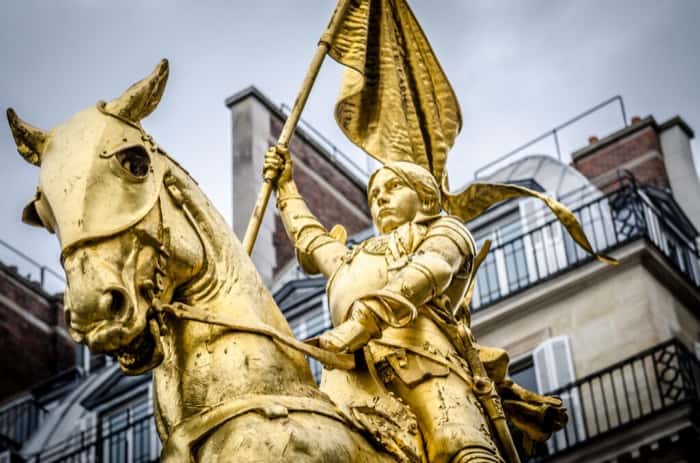
For centuries, the tale of Joan of Arc—a young maid thrust onto the stage of history—has fascinated scholars and storytellers alike. On February 21, 1431, she stood before a court for her first official interrogation, charged with heresy and witchcraft after steadfastly refusing to disavow her visions. Just 19 years old, Joan arrived in Rouen, France, on that pivotal day with no familiarity whatsoever with legal proceedings. Confusion and fear greeted her as she stepped into the courthouse, yet she carried herself with unwavering composure throughout the ordeal—a bearing that historical records from the trial still reflect to this day.
The Interrogation
Before dawn had even broken, the interrogation was already underway, and it would stretch on for more than nine hours. The court's presiding bishops posed question after question, each one carefully crafted to probe Joan's understanding of religious doctrine, cast doubt on her visions, and scrutinize statements made by her supporters or family members. Accusations flew at her from every direction, yet Joan kept her composure remarkably steady through the entire grueling session. Her absolute refusal to abandon her convictions, even when surrounded by open hostility, resonated deeply across Europe. Many people found their own struggles reflected in her defiance, and she became a symbol of courage that transcended borders.
Joan's Death
Over the days that followed, Joan delivered striking declarations touching on faith, justice, and gender roles—statements so provocative that the charges against her ultimately shifted to heresy rather than witchcraft or sorcery.
On May 30, 1431, Joan was burned at the stake. Her remains were subsequently cast into the Seine River.
Reverberations Throughout History
Though these proceedings ended in heartbreak for Joan, they planted seeds for civil rights conversations that persist to this day, centuries removed from her time. Remarkably, it is estimated that over 50% of total transcripts from the proceedings have survived, preserved because of their profound historical significance.
Joan's story continues to speak to people around the globe long after her death—a testament to the extraordinary impact one individual can have by staying true to their convictions, even when facing overwhelming pressure.